
Outcomes that Matter

ABA therapy can help children build skills that support everyday life at home, in the community, and in learning environments.

Progress Looks Different for Every Child

At Inner Circle, outcomes are not one-size-fits-all.

Every child comes to therapy with different strengths, needs, challenges, and goals. That means progress will look different for every family, too. For some children, outcomes may center on communication, play, daily routines, and emotional regulation. For others, therapy may also help build the foundational skills needed for greater independence, group learning, and school readiness.

96%

of our families report that they feel they are an active member of their child’s treatment team.

93%

of our families report since starting ABA services, their family’s quality of life has improved.

95%

of our families report that since starting ABA services, their child’s quality of life has improved.

What Outcomes Can ABA Therapy Support?

ABA therapy can help children build skills that support everyday life at home, in the community, and in learning environments.

Depending on the child, meaningful outcomes may include progress in:

  • Communication and language

  • Play and social interaction

  • Following routines and transitions

  • Independence with daily living skills

  • School readiness

Because every child is different, goals and progress will look different for every family.

Progress Should be Personal

At Inner Circle, we do not define outcomes by a single benchmark.

We define outcomes by growth that is meaningful for each child and family. That may look like a child learning to ask for help, tolerate transitions more smoothly, participate in group activities, communicate more clearly, or build the skills needed to thrive in new environments.

For some families, one goal may be preparing for school. For others, the focus may be on communication, behavior, independence, or daily life at home.

When School Readiness is the Goal

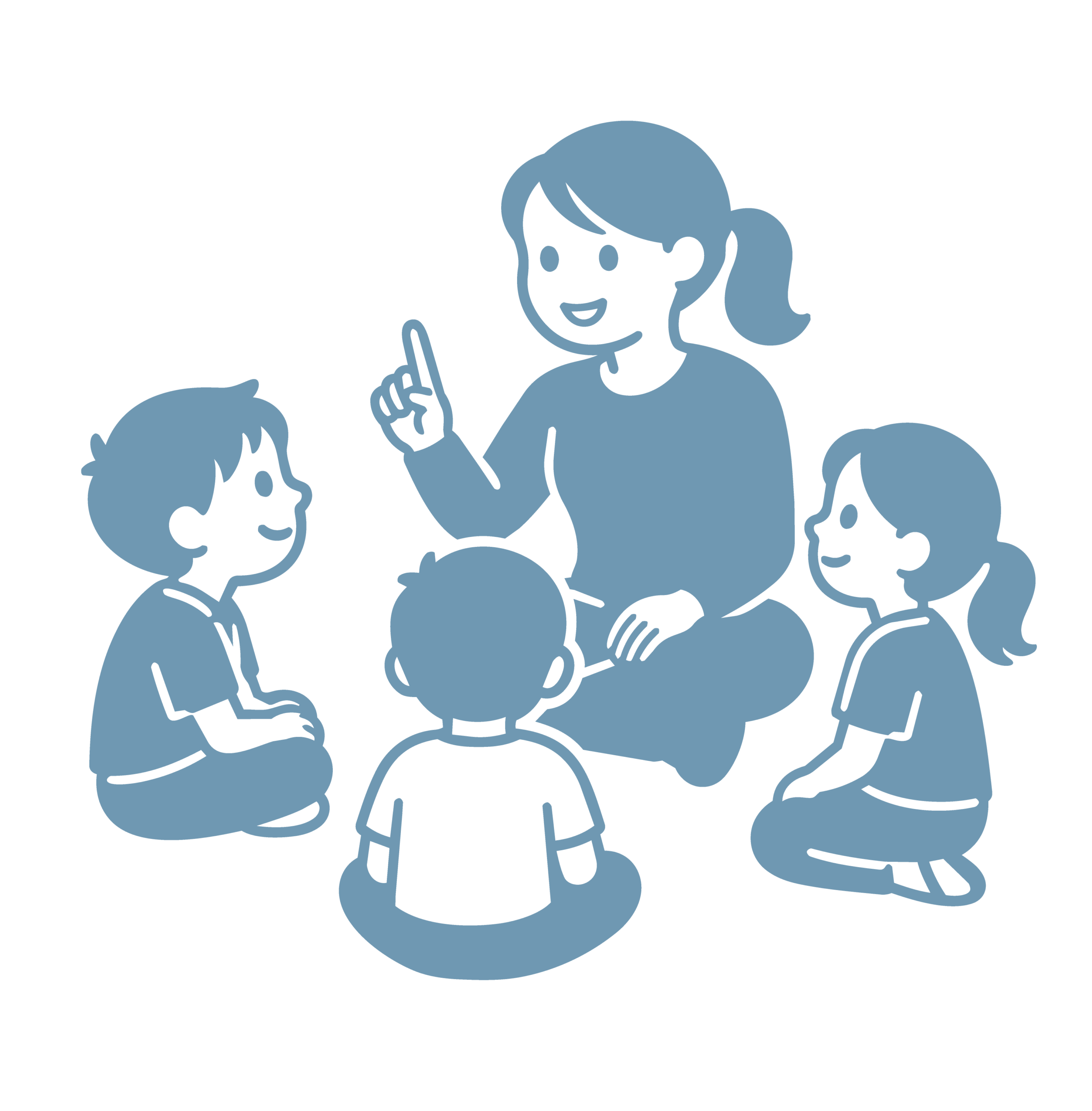
School is not a goal for every child, but for families working toward that next step, ABA therapy can play an important role in helping children build the skills and confidence to get there.

Foundational Skills for School Success

For some children, ABA therapy can help build the foundational skills that support transition into a classroom setting.

That may include:

  • Participating in structured activities

  • Following directions and routines

  • Learning alongside peers

  • Improving communication

  • Building attention and task engagement

  • Strengthening flexibility during transitions

  • Developing greater independence

What Makes These Outcomes Possible?

Meaningful progress starts with individualized ABA therapy.

Every child at Inner Circle receives a treatment plan based on formal assessment, direct observation, parent input, and clearly defined goals. From there, ABA therapy is built around the child’s learning style, needs, and interests.

Progress is monitored over time through daily data collection, BCBA oversight, and regular adjustments to the treatment plan.

Outcomes go beyond the therapy room

One of the most important parts of progress is “generalization.” Generalization means a skill developed in the clinic is transferrable to other settings, such as home or school.

That is why we partner with families and focus on outcomes that can support quality of life within families, at school, and with friends.

Center-based care with purpose

Inner Circle provides center-based ABA therapy for children ages 2–10 with autism.

A center-based setting gives children the structure, support, and consistency needed to build skills over time. It also creates opportunities for practicing social skills and making friends.

A better way to think about outcomes

Outcomes are not about checking boxes.

They are about helping each child grow in ways that are useful, lasting, and meaningful. Sometimes that progress is big and visible. Sometimes it starts with smaller steps that build over time.

At Inner Circle, we believe outcomes should reflect the unique needs of each child and the goals of their family and ultimately enhance overall quality of life.

Ready to take the next step?

If you are exploring ABA therapy and want to better understand what progress could look like for your child, we would love to talk with you.