What Is ABA Therapy?

Personalized, evidence-based ABA therapy designed around your child’s strengths, needs, and goals.

Applied Behavior Analysis

Applied Behavior Analysis, or ABA, is an evidence-based therapy that helps children with autism build skills and reduce behaviors that may interfere with communication, learning, daily routines, or social interaction.

ABA therapy is highly individualized. There is no one-size-fits-all plan. At Inner Circle, a Board Certified Behavior Analyst (BCBA) develops a treatment plan based on each child’s strengths, challenges, interests, and goals.

For one child, ABA may focus on communication. For another, it may focus on transitions, play, daily routines, or behavior that is making everyday life harder. The goal is to help your child make meaningful progress in ways that support day-to-day life.

What Does ABA Therapy Look Like?

ABA therapy is designed to be engaging, supportive, and purposeful. We use strategies that match your child’s learning style and what motivates them, so progress is individualized and achievable.

Inside an ABA Therapy Session

ABA therapy is built around small, intentional steps that help children learn and practice skills over time.

Sessions may include:

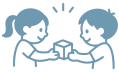
  • Social engagement with peers

  • One-on-one teaching

  • Recognition for meeting clinical growth milestones

  • Positive reinforcement
  • Support for routines, transitions, communication, and behavior

How ABA Therapy Works

ABA therapy is not static. It should evolve as your child grows, learns, and makes progress.

Skills ABA Therapy May Help Build

ABA therapy can support a wide range of functional and developmentally important skills, including:

  • Communication and language

  • Play and social interaction

  • School readiness

  • Daily living and self-care skills

  • Following routines and transitions

ABA can also help address challenging behaviors that may affect learning, safety, communication, or participation in daily life.

Because every child is different, goals and progress will look different for every family.

What Social Skills Can ABA Help Teach?

Initiating interactions

Helps children learn ways to start conversations, play, or other interactions with others.

Responding to others

Builds skills for responding when someone speaks, asks a question, or initiates an interaction.

Expressing wants and needs

Helps children communicate what they want, need, feel, or prefer in everyday situations.

Asking for help

Teaches children how to recognize when they need assistance and communicate that need to others.

Recognizing social cues

Helps children notice and respond to cues that can guide interactions with others.

Understanding facial expressions

Builds awareness of how facial expressions can communicate feelings and reactions.

Understanding body language

Helps children recognize nonverbal communication, such as gestures, posture, and movement.

Responding to their name

Supports awareness and responsiveness when parents, caregivers, peers, or others seek their attention.

Sharing and taking turns

Builds skills for participating in cooperative play and activities with other children.

Joining group activities

Helps children learn how to participate in play, games, and other activities alongside their peers.

Cooperative play

Encourages children to engage with others toward a shared activity or goal.

Navigating social situations

Provides opportunities to practice positive interactions in a supportive environment.

Building friendships

Develops foundational skills that can help children form and maintain positive relationships with peers.

Communicating with peers

Helps children practice interacting and communicating with other children in different settings.

Self-advocacy

Builds skills for communicating personal needs, preferences, and boundaries to others.

Social confidence

Provides opportunities to practice new skills so children can become more comfortable participating in social situations.

The Role of Parents and Caregivers

Parents and caregivers are an important part of the ABA process.

At Inner Circle, we work with families to help skills carry over beyond therapy sessions into home, school, church, and other social and family settings. That may include sharing strategies, reviewing goals, offering support, and helping you feel more confident reinforcing progress in everyday life.

You know your child best. Your input helps shape treatment in meaningful ways.

Teacher in classroom with smiling children

Is ABA Right for My Child?

ABA therapy at Inner Circle Autism Network may be a good fit for children ages 2–10 who need support with communication, behavior, daily routines, play, social interaction, or other functional skills.

To begin ABA services, children need a formal medical diagnosis of autism from their physician or diagnostic professional. If your child has not yet been diagnosed, our team is happy to help you better understand that process and what next steps may look like.
Ready to Learn More?

If you’re considering ABA therapy and have questions about what it involves, we’re here to help.